How to Read a Tea Label: A Beginner's Guide to Origin, Grade, and Harvest
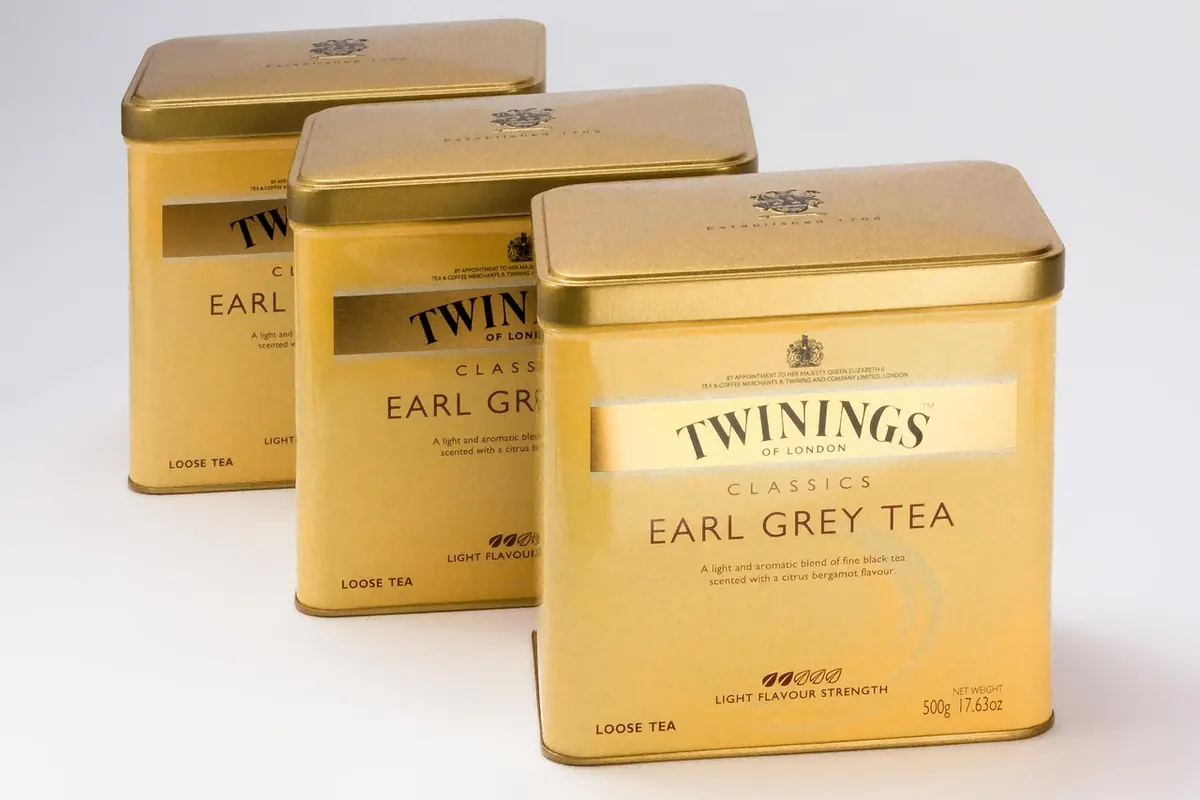
Most tea packaging is written for people who already know the code. A tin announces "SFTGFOP1 First Flush Darjeeling" and expects you to nod. The words are real, meaningful, and explained almost nowhere. Learn a handful of them, though, and the label stops being decoration and starts being a set of instructions: how the tea was grown, when it was picked, how it was processed, and how you should brew it.
Here is what the common terms actually mean, and how to use them to choose better tea without paying for marketing.
Origin: Single-Estate, Single-Origin, and Blends
Origin is the most useful piece of information on a label, because it tells you what to expect in the cup.
Single-estate (also called single-garden) means one farm. You'll see names such as Margaret's Hope or Sungma in Darjeeling, or a specific garden in Sri Lanka's Nuwara Eliya district. Estate teas vary from year to year, which is part of the appeal: you're tasting a place and a season rather than a consistent product.
Single-origin is broader — one country or region, possibly assembled from several farms within it. A "Yunnan" black tea or an "Uji" matcha is single-origin without naming a garden.
Blends combine teas from different places to hit a consistent flavor. English Breakfast and most supermarket teas are blends. There's nothing wrong with a blend; a good one is a skill. But the label should still tell you something: "Ceylon and Assam blend" is useful. "Finest teas from around the world" is not.
Altitude and region
High-grown teas from cool mountain elevations tend to be slower-growing, more aromatic and more delicate. Low-grown teas are usually bolder and fuller-bodied. If a label says "high-grown," it's telling you about style, not just prestige.
Harvest: Flush, Season, and Year
"Flush" simply means a plucking period — the burst of new growth after dormancy or rain.
In Darjeeling, first flush arrives in spring: light, floral, brisk, sometimes almost green in character. Second flush comes in early summer and is rounder and fruitier, with the muscatel note the region is known for. The autumn flush is softer and less celebrated. In Japan, the first picking is called shincha, "new tea," and it's prized for a fresh, sweet, vegetal edge.
Two things to check: whether the label names a flush, and whether it gives a harvest year. Green and lightly oxidized teas fade. A spring green sitting on a shelf for two years will taste flat no matter how good it once was. A harvest date is more useful than a "best before," but either beats nothing.
Grade: What All Those Letters Mean
Grade terms describe leaf size and style, not flavor quality. A large, beautiful leaf can still be a mediocre tea; a small broken leaf can be excellent. Still, grade tells you a lot about how the tea will brew.
The orthodox letter code
On South Asian teas you'll see strings like FTGFOP, TGFOP, OP and BOP. Read them from the end backwards:
- P — Pekoe: whole, unbroken leaves of a particular style.
- OP — Orange Pekoe: a leaf grade, not a flavor and not citrus. Long, wiry whole leaves.
- FOP, TGFOP, FTGFOP — progressively finer-looking whole-leaf pluckings; the letters are compounded as a mark of style and, often, of price.
- BOP, BP — Broken Orange Pekoe and Broken Pekoe: smaller pieces that brew faster and stronger.
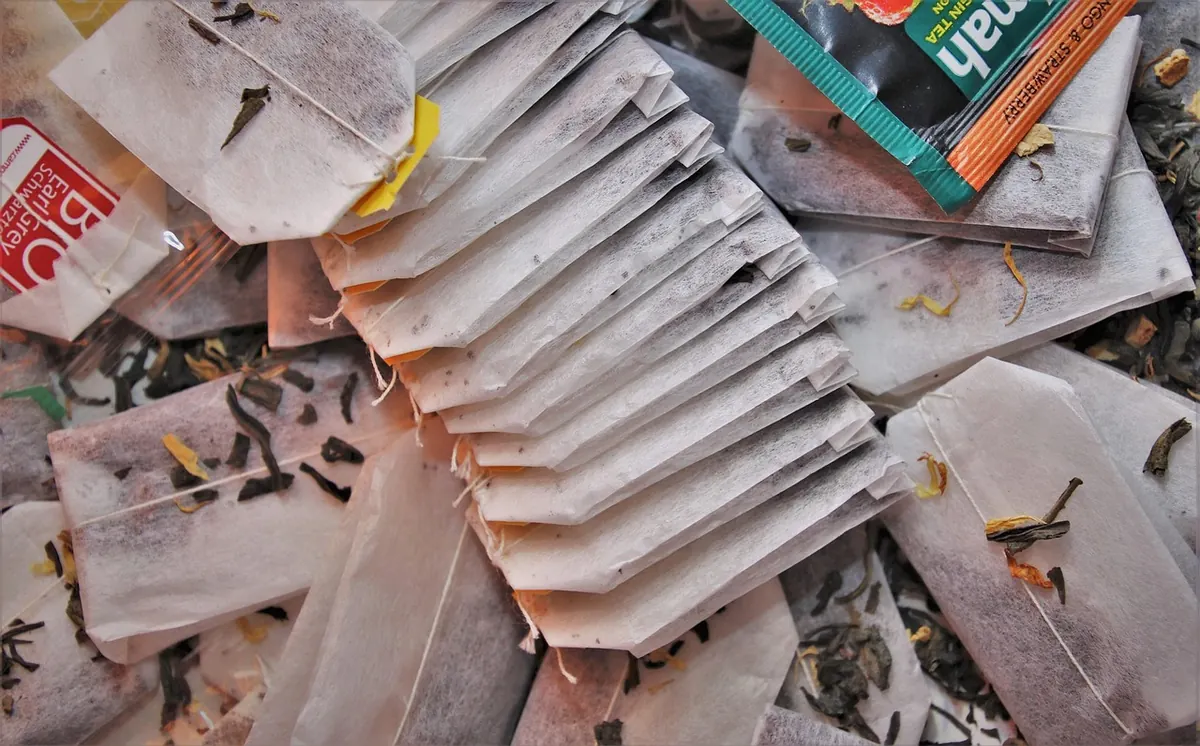
- Fannings and dust — the small particles in most tea bags. They infuse in seconds and turn bitter quickly, which is why they're usually blended and sold for convenience.
Also worth knowing: CTC (crush-tear-curl) names a machine method that produces small, uniform pellets for strong, fast-brewing tea. Orthodox means traditional rolling that leaves the leaf more intact. Neither is inherently better; they suit different cups and different moments.
Japanese and Chinese terms
Japanese labels usually describe style rather than leaf grade: sencha (steamed green tea), gyokuro (shaded before harvest), matcha (stone-ground powder), bancha (a later harvest), hojicha (roasted), genmaicha (with toasted rice). For matcha, "ceremonial" and "culinary" are market terms rather than regulated grades; ceremonial generally means a smoother, less bitter tea meant for whisking in water.
Processing and Oxidation
Labels often state the style, and this is your biggest clue to flavor. White and green teas are minimally oxidized; oolong sits somewhere in the middle; black tea is fully oxidized; pu-erh is aged. If a package says "lightly oxidized oolong" and also "roasted," you're looking at a warm, toasty tea rather than a floral one.
Words That Mean Less Than They Seem
"Premium," "artisan," "gourmet" and "hand-picked" have no fixed definitions. Hand-picking is standard for quality tea anyway. Look instead for specifics: a named garden, a flush, a harvest year, an oxidation level, a plucking standard such as "two leaves and a bud."
Certifications like organic or fair trade describe farming and trade practices. They're meaningful, but they say nothing about whether the tea tastes good. Judge those separately.
Read the ingredient list too. If flavorings appear, expect a flavored tea — which can be lovely, as long as you know you're buying the flavoring as much as the leaf. And check the weight: 50 grams of fannings looks like far more tea than 50 grams of whole leaf, but brews into many fewer cups.
A Five-Minute Label Checklist
- Origin: country, region, and ideally garden or estate.
- Harvest: flush or season, plus a year for green, white or lightly oxidized teas.
- Style: how oxidized, and whether it's roasted, steamed or aged.
- Grade: whole leaf, broken, fannings or dust — this predicts brewing speed.
- Ingredients: tea and little else, unless you want flavoring.
- Storage advice: opaque, airtight, away from heat and strong smells.
How to Practice This
Pick two teas from the same region in different flushes, or a whole-leaf and a broken version of the same tea, and brew them side by side. Taste them plain, at similar strength, and notice which you prefer and why. That comparison teaches more than any label.
Then buy in small amounts. Tea is agricultural, not industrial; each harvest differs. A label you can read is simply a shortcut to knowing what you're about to taste — and to finding the same pleasure again next season.
Photo: stux / Pixabay
Seasonal Tea Blending: How to Mix Your Own Spring, Summer, Fall, and Winter Blends
Build your own spring, summer, fall, and winter tea blends using a simple parts-based formula, seasonal...
8 Common Tea Brewing Mistakes and How to Fix Them
Bitterness, flatness, and watery cups usually trace back to eight fixable habits — water quality,...
About Us