How to Brew Loose-Leaf Tea Without a Teapot: 5 Everyday Methods
You have a bag of loose-leaf tea, no teapot, and no interest in buying another single-purpose gadget. That's fine. Every method below relies on the same principle: hot water meets leaf, and then the two are separated before the tea turns bitter. A mug, a jar, a thermos, or the French press already in your cupboard will do the job.
Here are five ways to brew, roughly in order of how little you need to own.
The Four Numbers Worth Remembering
Whatever vessel you use, four variables decide the cup: water, leaf, temperature, and time. Get those roughly right and the equipment barely matters.
- Water. Fresh, and filtered if your tap tastes strongly of chlorine or minerals. Reboiling the same water repeatedly flattens the taste, so start fresh each time.
- Leaf. Roughly 2–3 grams per 200 ml, which is about a teaspoon of most broken or rolled teas. Large fluffy leaves like white peony take two or three times that volume to reach the same weight; dense rolled oolongs take less.
- Temperature. Green and white teas: 70–80°C (160–175°F). Oolong: 85–95°C. Black, pu'er, and most herbals: just off the boil.
- Time. Start with 2 minutes for greens, 3 for oolongs, 3–4 for blacks and herbals. Taste at the short end and add time in 30-second increments.
No thermometer? Boil the kettle, pour the water into your mug, and let it sit two or three minutes for greens, one minute for oolongs, and not at all for blacks. Approximate, and it works.
Method 1: The Mug and a Basket Infuser
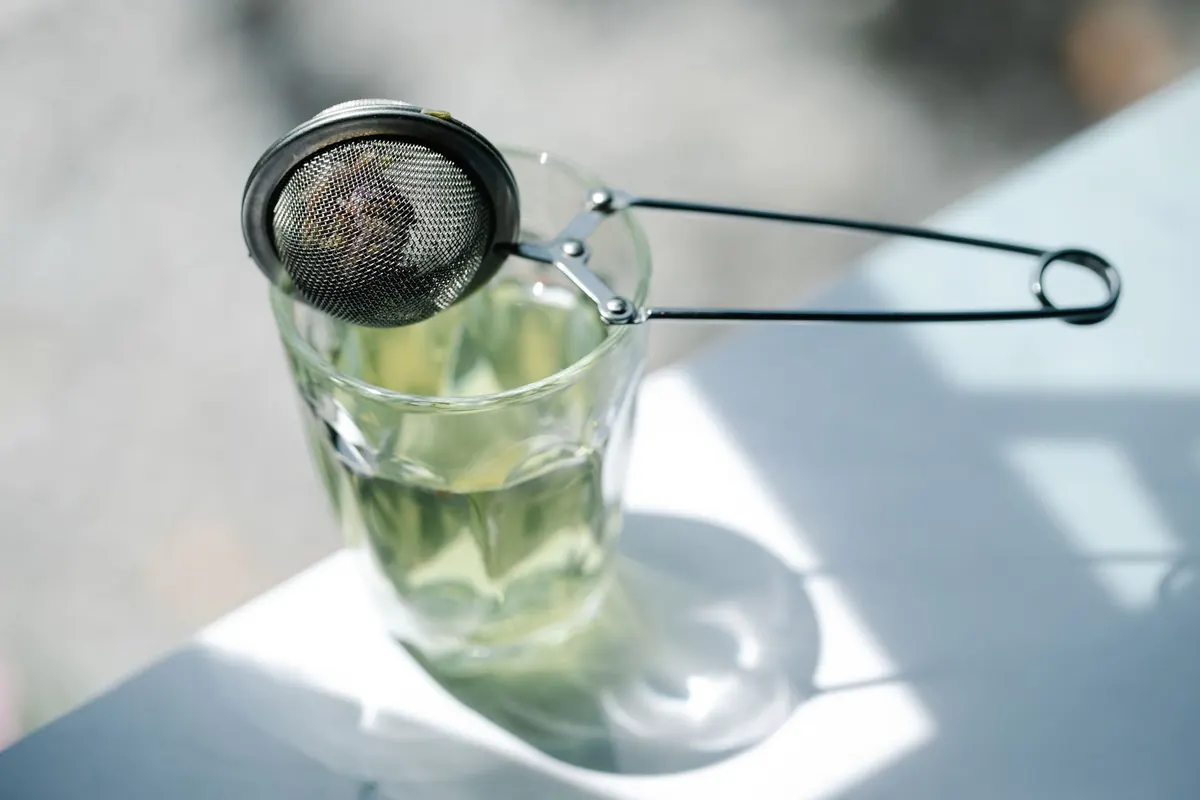
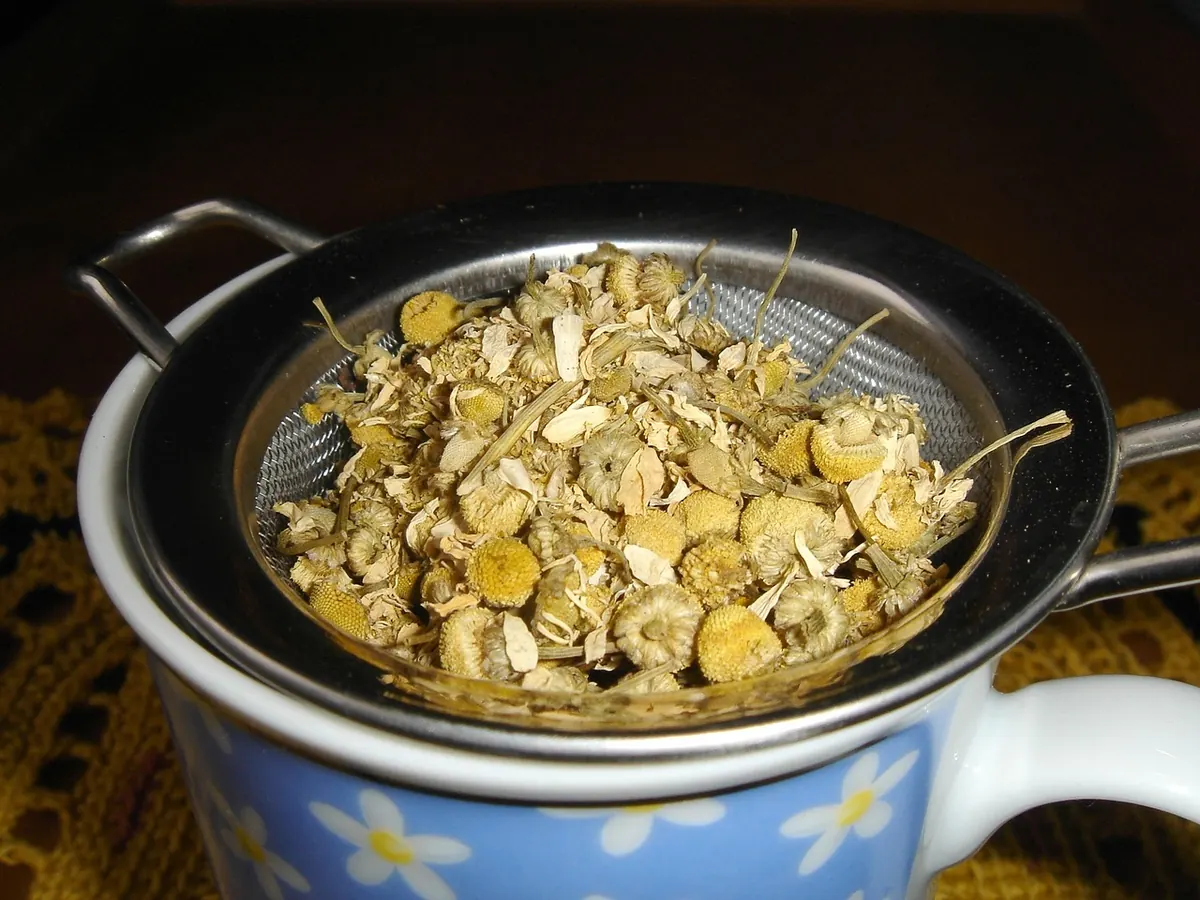
The simplest setup: any mug, plus a stainless basket or a large mesh ball. Baskets beat balls because the leaves have room to open.
- Preheat the mug with hot water, then dump it out. This keeps the brew temperature steadier.
- Add your leaves to the basket and set it in the mug.
- Pour water over the leaves, not around them, so everything gets wet. Stir once.
- Cover the mug with a saucer if you have one. It traps heat and aroma.
- Lift the basket out at your target time. Don't let it drip back into the cup for long — that's where bitterness sneaks in.
Basket infusers are also the easiest way to resteep. Add fresh hot water to the same leaves for a second and third cup; many oolongs and whole-leaf blacks improve on the second steep.
Method 2: The French Press
A French press is the most forgiving teapot you already own. It gives leaves full room to expand and filters well enough for all but the finest cuts.
- Warm the press with hot water, then discard it.
- Add roughly 3 grams of leaf per 250 ml of water — a generous teaspoon for most teas.
- Pour in water at the right temperature and stir gently to submerge the leaves.
- Set the lid on top with the plunger raised, and steep 2–4 minutes.
- Press the plunger down slowly, only to just above the leaves. Pushing it all the way squeezes the leaves and releases tannins.
Decant the tea into a mug or a second vessel rather than leaving it in the press, where it keeps steeping. If you're making tea for two, pour both cups at once instead of topping one up — the last pour is always stronger. Clean the press with hot water and a soft sponge; soap residue and old leaf grit will show up in the next cup.
Method 3: Two Mugs and a Fine Strainer
No infuser at all? Brew free in one mug, then strain into a second one. This gives you precise control over timing and works beautifully for large-leaf teas and oolongs, which unroll and sink once wet.
- Put leaves directly in mug one and pour water over them.
- Steep to taste, stirring once halfway.
- Hold a fine mesh strainer over mug two and pour the whole brew through it in one steady motion.
- Serve, then refill mug one for a second steep.
For finely cut teas or fannings, a standard strainer lets too much dust through. Line it with a paper coffee filter, or strain twice through a finer sieve. Cleaner cup, slightly slower process.
Method 4: The Thermos
A thermos is a brewing vessel and a travel mug in one, which makes it ideal for commutes and long afternoons. The catch is that leaves sitting in hot water for hours turn harsh.
Two approaches that work
- Basket method. Use a thermos with a removable strainer basket, or drop in a large mesh ball. Steep 3–4 minutes, then lift the basket out before you leave the kitchen. The tea stays hot for hours without getting stronger.
- Concentrate method. Brew a double-strength cup, strain it, and pour it into the thermos. Top up with hot water when you're ready to drink. Nothing over-steeps, so the flavor stays bright.
Rinse the thermos with hot water before filling it; a cold flask drops the temperature fast. And drink tea with milk or sweetener within a couple of hours rather than leaving it sealed all day.
Method 5: Cold Brew in a Jar
Cold water extracts more slowly and pulls out fewer bitter compounds, so cold brew tastes rounder and sweeter than iced tea made from a hot brew. It needs no heat and almost no attention.
- Add 1 tablespoon of loose leaves per 1 liter (about 4 cups) of cold, filtered water in a clean jar.
- Cover and refrigerate. Green and white teas: 4–6 hours. Oolongs and blacks: 8–12 hours. Herbals: overnight.
- Strain through a fine sieve lined with a coffee filter or a clean cloth.
- Refrigerate and drink within 2–3 days. Stir before pouring; the flavor settles.
Serve over ice and taste before adding anything. If it's too strong, dilute with cold water rather than reaching for sugar. If it tastes flat, your next batch wants more leaf or a longer steep.
Small Habits That Make Every Cup Better
Taste at the two-minute mark, every time. That single habit teaches you more about your tea than any gadget will. Keep brief notes — a strip of masking tape on the tin with your best leaf amount and steep time is enough. Buy small amounts while you're learning, and store tea away from light, heat, and strong smells.
Warm the vessel, use fresh water, and stop the steep when the cup tastes good to you rather than when a timer says so. Those three things matter more than the equipment. And if you're limiting caffeine for a health reason, check with a healthcare professional about what's right for you instead of guessing from a brewing guide.
Photo: rudolf_langer / Pixabay
Seasonal Tea Blending: How to Mix Your Own Spring, Summer, Fall, and Winter Blends
Build your own spring, summer, fall, and winter tea blends using a simple parts-based formula, seasonal...
8 Common Tea Brewing Mistakes and How to Fix Them
Bitterness, flatness, and watery cups usually trace back to eight fixable habits — water quality,...
About Us